
If you ever wondered what an Alanis Morissette Christmas album might sound like, you're about to find out! The '90s alternative rock icon is getting into the holiday spirit with her first full-length Christmas album, Good Weather for Immaculate Conception, arriving November 6, 2026.
The 14-track album mixes holiday classics with two original songs, and the list of guest appearances is pretty interesting. Brandi Carlile and Steve Martin join Alanis on “Beautiful Star of Bethlehem,” which has already been released as the album's first single. Other guests include Martin Short, Joy Oladokun, Amythyst Kiah, and Trans Voices, a UK-based choir of trans and nonbinary singers.
Fans can expect familiar holiday favorites like “Silent Night,” “O Holy Night,” and “Little Drummer Boy,” along with covers of John Lennon and Yoko Ono's “Happy Xmas (War Is Over),” Wham!'s “Last Christmas,” and Joni Mitchell's “River.”
The album also features two new original songs: “To an Empath at Christmas Time” and “Christmas on the Dancefloor.” And yes, you read that second title correctly! It sounds like Alanis might be bringing a little extra energy to the holiday season.
Of course, this isn't entirely new territory for the singer. Alanis has released several holiday recordings over the years, including “Little Drummer Boy,” “Last Christmas,” and “O Holy Night.” This new collection brings some of those recordings together with new material and additional collaborations.
It's certainly an unexpected holiday release from an artist best known for alternative rock classics like “You Oughta Know,” “Ironic,” and “Hand in My Pocket.” But that's part of the fun of following musicians throughout their careers: you never know what direction they'll take next!
So, what do you think? Are you ready to add a little Alanis Morissette to your Christmas playlist this year? I'm curious to hear how her distinctive voice and musical style will come together with these holiday favorites!
Good Weather for Immaculate Conception arrives November 6, 2026.
<
Source: https://www.rollingstone.com/music/music-news/alanis-morissette-holiday-album-announcement-1235640402/
Friday, October 9, 2026

Saturday, September 12, 2026
Céline Dion’s Courageous Return to Live Music

I am so happy for Céline Dion, considering how difficult the past few years have been for her. Céline has shown tremendous courage as she continues to face her health challenges, and it is wonderful to see her back on stage doing what she loves.
Céline recently returned to live performing with the opening night of her highly anticipated Paris residency. The residency features 16 shows at Paris La Défense Arena, marking her return to regular concert performances after stepping away from the stage because of her diagnosis of stiff-person syndrome.
Seeing Céline perform live again is such a wonderful thing for her fans. After everything she has experienced, she is once again standing on stage, singing the songs that have made her one of the most beloved voices in music.
During the opening night, Céline spoke to the audience about her return and the support she has received over the years. She later said:
“Thank you so very much for coming. If it’s your first time in Paris, I hope you fall in love with it just like I did. Finally, it’s amazing we are all together. I made a promise to come back, to be back on stage. So here I am, singing for you and singing for me, singing live! Thank you so very much for your support, your patience and if I may say so, I am everything I am because you loved me.”
I especially love what she said at the end, “I am everything I am because you loved me.”
Those words are a beautiful reflection of the relationship Céline has with her fans. They have stayed behind her through the difficult years, and now they get to see her doing what she has always loved—standing on a stage and singing live.
Céline's return to Paris is more than another concert run. It is a celebration of her music, her fans and her determination to keep performing. After such a long absence, it is wonderful to see her back where she belongs.
To read more about Céline’s return to the stage, click here:
https://variety.com/2026/music/news/celine-dion-emotional-speech-opening-night-paris-residency-1236859560/
Tuesday, August 25, 2026
Goodbye, Dolly: Celebrating the Extraordinary Life and Legacy of an American Icon
I woke up this morning and, around 8:30 a.m., I was reading an article about Dolly Parton. The headline was “Dolly Parton opens up on rumors that could ‘ruin’ her reputation: ‘Some of them are true.’” I was reading about Dolly, thinking about her incredible career and everything she had accomplished over the decades. In fact, I was even thinking this morning about writing something about her and promoting her book, Dolly Parton, Songteller: My Life in Lyrics. I had no idea that just hours later, I would be writing about Dolly for a completely different reason.
Dolly Parton died today at the age of 80.
It is hard to believe, and honestly, this one makes me sad.
I admired her talent, her determination, her sense of humor, her philanthropy and the incredible amount of work she accomplished throughout her life. She was one of those people who seemed to be everywhere for so long that you almost stopped thinking about the fact that she wouldn't always be here.
And somehow, Dolly always felt a little bit like family.
Not literally, of course, but in that strange way that certain celebrities can become familiar to us after we've grown up seeing them for years and years. Dolly felt almost like an aunt or someone out there in the world who you didn't actually know, but who somehow felt familiar anyway. She was part of the cultural landscape of my childhood and adulthood. She was simply Dolly—the woman with the enormous blonde hair, rhinestones, unmistakable voice, huge personality and even bigger heart.
Now she's gone.
As a music blogger, I couldn't let Dolly's passing go by without writing about her. She was obviously one of the greatest figures in country music, but I think her influence goes far beyond country. When I think of Dolly Parton, I think of Americana. I think of Tennessee, storytelling, family, hard work, humor, heartbreak, determination and that very particular American ability to take the circumstances you've been given and somehow turn them into something extraordinary.
Dolly came from extremely humble beginnings in Tennessee, growing up in a large family with very little money. She started writing and performing music when she was young and eventually made her way to Nashville, where she built a career that would span more than six decades. She became one of the most recognizable entertainers in the world, but somehow never seemed to forget where she came from.
And then there is this incredible fact: Dolly Parton wrote around 3,000 songs.
Three thousand songs!
Think about that for a moment. She didn't just become famous for singing songs written by other people. She was a songwriter in the truest sense of the word. She wrote about love, heartbreak, poverty, family, faith, dreams, loneliness, working people and life itself. Some of those songs became hits for Dolly, while others became famous when other artists recorded them.
One of the most famous examples is “I Will Always Love You,” which Dolly wrote and recorded herself before Whitney Houston's enormous version introduced the song to an entirely new generation. That's one of the beautiful things about great songwriting: the song can keep traveling long after the person who wrote it has finished singing it.
And Dolly wrote thousands of them. Who could forget Dolly's unforgettable duet with Kenny Rogers?
That brings me back to the book I was thinking about this morning: Dolly Parton, Songteller: My Life in Lyrics.
The timing feels almost surreal to me now.
I was thinking about promoting this book before I even knew that Dolly would be gone this morning.

And if you want to understand Dolly through the part of her career that mattered most to me as a music lover and blogger—her songwriting—this is such a fitting book to pick up. Songteller takes readers behind the lyrics of 175 of Dolly's songs and draws on more than 60 years of songwriting, along with photographs, memorabilia and material from her personal archives. It isn't simply a collection of lyrics; it is Dolly telling the stories behind the songs and the life that inspired them.
There is something especially appropriate about calling Dolly a Songteller. She wasn't simply someone who sang songs. She told stories through them. And with approximately 3,000 songs to her name, she had an awful lot of stories to tell. The accompanying audiobook is particularly special because Dolly herself narrates it, sharing stories, memories and the inspiration behind many of her best-known songs.
I was actually thinking this morning that this would be a wonderful book to recommend. Now, after hearing the news of her death, it feels even more important. If you have admired Dolly over the years but never really explored the stories behind her music, Songteller seems like one of the best ways to spend some time with her again.
Of course, Dolly wasn't only a songwriter and singer. For an entire generation of people, she was also a movie star.
One of the first things I think of is 9 to 5. Dolly played Doralee Rhodes alongside Jane Fonda and Lily Tomlin, and the movie became one of those films that people continue to watch decades later. And then there was the song itself. “9 to 5” wasn't just a movie theme—it became one of Dolly's signature songs and one of those instantly recognizable pieces of American pop culture.
Official music video for "9 to 5":
Then there was Steel Magnolias, where Dolly played Truvy Jones, the warm and talkative owner of the beauty shop at the center of the story. She was surrounded by incredible actresses, including Sally Field, Julia Roberts and Shirley MacLaine, yet Dolly fit into that cast so naturally. She brought humor and warmth to the role while still being part of a story that could be incredibly heartbreaking.
Those movies introduced Dolly to people who might never have considered themselves country music fans.
And that's part of what made her so special. Dolly crossed boundaries.
Country music, pop music, movies, television, business, books, philanthropy and even a theme park—she managed to become part of so many different corners of American life without losing the personality that made people love her in the first place.
As much as I admire Dolly's music and entertainment career, I think one of the things that made her so special was what she did with her success.
Her philanthropy was enormous. Through the Dollywood Foundation's Imagination Library, she helped put books into the hands of children, encouraging literacy and a love of reading. The program became one of the most recognizable parts of her charitable legacy, and Dolly's commitment to children and education continued throughout her life.
That is the kind of thing I think about when I think of Dolly.
Yes, she had the big hair. Yes, she had the rhinestones. Yes, she had the jokes and the larger-than-life personality. But behind all of that was someone who understood what it meant to come from very little and then decided to use what she had built to help other people.
That's something worth admiring.
Maybe that's why her death feels so strange.
Dolly Parton was one of those people who seemed almost permanent. She had been famous for so long that it was easy to imagine her continuing to write songs, make people laugh, appear on television and find another project to work on.
Even recently, she was still talking about things she wanted to accomplish. She still had plans. She still had ideas. She still seemed like Dolly.
And then suddenly, she wasn't here anymore.
I think that's why I keep coming back to the idea that she felt like family. Dolly was simply there for so much of my life. She was one of those familiar faces and voices that seemed to belong to everyone a little bit.
She belonged to country music, certainly. But she also belonged to Americana. She belonged to movies. She belonged to television. She belonged to the people who loved her songs and to the people who simply knew her from 9 to 5 or Steel Magnolias. She belonged to children who received books through the Imagination Library. She belonged to generations of people who grew up hearing her voice.
And now she belongs to history.
But what a history she leaves behind.
More than 3,000 songs. A career spanning more than six decades. Movies that people still love. Songs that became classics. A remarkable philanthropic legacy. And an ability to make millions of people feel as though they knew her.
I was thinking about Dolly this morning without knowing that I would be saying goodbye to her this afternoon.
Maybe that's the strangest part of all.
But I'm glad I was thinking about her.
I'm glad I was thinking about her music. I'm glad I was thinking about Songteller. I'm glad I was thinking about the incredible body of work she left behind.
And I think I'll always feel a little like I lost an aunt today—someone I never actually knew, but someone who had somehow been part of my world for as long as I could remember.
Thank you, Dolly, for the songs, the movies, the laughter, the stories, the books, the kindness and the memories.
You were one of a kind. And you always will be.
You can find Dolly Parton, Songteller: My Life in Lyrics on Amazon here:
https://www.amazon.com/dp/1797205099?lv=shuf&channelId=500&plpRedirect=mhFallback
Dolly Parton died today at the age of 80.
It is hard to believe, and honestly, this one makes me sad.
I admired her talent, her determination, her sense of humor, her philanthropy and the incredible amount of work she accomplished throughout her life. She was one of those people who seemed to be everywhere for so long that you almost stopped thinking about the fact that she wouldn't always be here.
And somehow, Dolly always felt a little bit like family.
Not literally, of course, but in that strange way that certain celebrities can become familiar to us after we've grown up seeing them for years and years. Dolly felt almost like an aunt or someone out there in the world who you didn't actually know, but who somehow felt familiar anyway. She was part of the cultural landscape of my childhood and adulthood. She was simply Dolly—the woman with the enormous blonde hair, rhinestones, unmistakable voice, huge personality and even bigger heart.
Now she's gone.
As a music blogger, I couldn't let Dolly's passing go by without writing about her. She was obviously one of the greatest figures in country music, but I think her influence goes far beyond country. When I think of Dolly Parton, I think of Americana. I think of Tennessee, storytelling, family, hard work, humor, heartbreak, determination and that very particular American ability to take the circumstances you've been given and somehow turn them into something extraordinary.
Dolly came from extremely humble beginnings in Tennessee, growing up in a large family with very little money. She started writing and performing music when she was young and eventually made her way to Nashville, where she built a career that would span more than six decades. She became one of the most recognizable entertainers in the world, but somehow never seemed to forget where she came from.
And then there is this incredible fact: Dolly Parton wrote around 3,000 songs.
Three thousand songs!
Think about that for a moment. She didn't just become famous for singing songs written by other people. She was a songwriter in the truest sense of the word. She wrote about love, heartbreak, poverty, family, faith, dreams, loneliness, working people and life itself. Some of those songs became hits for Dolly, while others became famous when other artists recorded them.
One of the most famous examples is “I Will Always Love You,” which Dolly wrote and recorded herself before Whitney Houston's enormous version introduced the song to an entirely new generation. That's one of the beautiful things about great songwriting: the song can keep traveling long after the person who wrote it has finished singing it.
And Dolly wrote thousands of them. Who could forget Dolly's unforgettable duet with Kenny Rogers?
That brings me back to the book I was thinking about this morning: Dolly Parton, Songteller: My Life in Lyrics.
The timing feels almost surreal to me now.
I was thinking about promoting this book before I even knew that Dolly would be gone this morning.
And if you want to understand Dolly through the part of her career that mattered most to me as a music lover and blogger—her songwriting—this is such a fitting book to pick up. Songteller takes readers behind the lyrics of 175 of Dolly's songs and draws on more than 60 years of songwriting, along with photographs, memorabilia and material from her personal archives. It isn't simply a collection of lyrics; it is Dolly telling the stories behind the songs and the life that inspired them.
There is something especially appropriate about calling Dolly a Songteller. She wasn't simply someone who sang songs. She told stories through them. And with approximately 3,000 songs to her name, she had an awful lot of stories to tell. The accompanying audiobook is particularly special because Dolly herself narrates it, sharing stories, memories and the inspiration behind many of her best-known songs.
I was actually thinking this morning that this would be a wonderful book to recommend. Now, after hearing the news of her death, it feels even more important. If you have admired Dolly over the years but never really explored the stories behind her music, Songteller seems like one of the best ways to spend some time with her again.
Of course, Dolly wasn't only a songwriter and singer. For an entire generation of people, she was also a movie star.
One of the first things I think of is 9 to 5. Dolly played Doralee Rhodes alongside Jane Fonda and Lily Tomlin, and the movie became one of those films that people continue to watch decades later. And then there was the song itself. “9 to 5” wasn't just a movie theme—it became one of Dolly's signature songs and one of those instantly recognizable pieces of American pop culture.
Official music video for "9 to 5":
Then there was Steel Magnolias, where Dolly played Truvy Jones, the warm and talkative owner of the beauty shop at the center of the story. She was surrounded by incredible actresses, including Sally Field, Julia Roberts and Shirley MacLaine, yet Dolly fit into that cast so naturally. She brought humor and warmth to the role while still being part of a story that could be incredibly heartbreaking.
Those movies introduced Dolly to people who might never have considered themselves country music fans.
And that's part of what made her so special. Dolly crossed boundaries.
Country music, pop music, movies, television, business, books, philanthropy and even a theme park—she managed to become part of so many different corners of American life without losing the personality that made people love her in the first place.
As much as I admire Dolly's music and entertainment career, I think one of the things that made her so special was what she did with her success.
Her philanthropy was enormous. Through the Dollywood Foundation's Imagination Library, she helped put books into the hands of children, encouraging literacy and a love of reading. The program became one of the most recognizable parts of her charitable legacy, and Dolly's commitment to children and education continued throughout her life.
That is the kind of thing I think about when I think of Dolly.
Yes, she had the big hair. Yes, she had the rhinestones. Yes, she had the jokes and the larger-than-life personality. But behind all of that was someone who understood what it meant to come from very little and then decided to use what she had built to help other people.
That's something worth admiring.
Maybe that's why her death feels so strange.
Dolly Parton was one of those people who seemed almost permanent. She had been famous for so long that it was easy to imagine her continuing to write songs, make people laugh, appear on television and find another project to work on.
Even recently, she was still talking about things she wanted to accomplish. She still had plans. She still had ideas. She still seemed like Dolly.
And then suddenly, she wasn't here anymore.
I think that's why I keep coming back to the idea that she felt like family. Dolly was simply there for so much of my life. She was one of those familiar faces and voices that seemed to belong to everyone a little bit.
She belonged to country music, certainly. But she also belonged to Americana. She belonged to movies. She belonged to television. She belonged to the people who loved her songs and to the people who simply knew her from 9 to 5 or Steel Magnolias. She belonged to children who received books through the Imagination Library. She belonged to generations of people who grew up hearing her voice.
And now she belongs to history.
But what a history she leaves behind.
More than 3,000 songs. A career spanning more than six decades. Movies that people still love. Songs that became classics. A remarkable philanthropic legacy. And an ability to make millions of people feel as though they knew her.
I was thinking about Dolly this morning without knowing that I would be saying goodbye to her this afternoon.
Maybe that's the strangest part of all.
But I'm glad I was thinking about her.
I'm glad I was thinking about her music. I'm glad I was thinking about Songteller. I'm glad I was thinking about the incredible body of work she left behind.
And I think I'll always feel a little like I lost an aunt today—someone I never actually knew, but someone who had somehow been part of my world for as long as I could remember.
Thank you, Dolly, for the songs, the movies, the laughter, the stories, the books, the kindness and the memories.
You were one of a kind. And you always will be.
You can find Dolly Parton, Songteller: My Life in Lyrics on Amazon here:
https://www.amazon.com/dp/1797205099?lv=shuf&channelId=500&plpRedirect=mhFallback
Sunday, August 16, 2026
Music Shouldn’t Need a Border: Why I Understand BTS’ Decision to Walk Away From the Grammys

When I first read that BTS had decided not to submit their music for consideration at the 2027 Grammy Awards, I actually understood their reasoning. The controversy surrounds the Recording Academy’s brand-new Best Asian Pop Music Performance category. The Grammy Awards introduced the category as a way to recognize the enormous growth and diversity of pop music coming out of Asia, including K-pop, J-pop and C-pop.
On the surface, that sounds like a wonderful thing. Asian artists deserve recognition. K-pop, J-pop and other forms of Asian pop have enormous audiences around the world. These aren't obscure little musical niches anymore. They are a major part of the global music industry. So why would an artist object to having an award specifically created to honor them?
Because sometimes being given your own category can feel less like inclusion and more like being separated from everyone else. That appears to be what BTS was concerned about. When the group announced that they would not submit their music for the upcoming Grammys, they said they hoped their music could be “heard and loved for what it is, rather than being divided by region or language.” And honestly? I get it.
Think about how strange it would be if we approached every other form of music this way. Music travels. A rhythm created in one country can inspire an artist on the other side of the planet. A melody can cross an ocean without needing a passport. Artists borrow from different cultures, languages and musical traditions all the time. That's part of what makes music so exciting. So when an artist has reached an international audience, why should the place where they were born determine which musical room they are allowed to compete in?
A statement from BTS: “We hope our music can be heard and loved for what it is, rather than being divided by region or language.”
That's the part of this debate that interests me. I don't think the Grammys necessarily had bad intentions. In fact, Recording Academy CEO Harvey Mason Jr. has made it clear that the intention was to expand recognition, not exclude Asian artists. He said the category was created to celebrate the “depth, diversity and extraordinary growth” of pop artistry coming out of Asia. I believe that intention can be genuine. But good intentions don't always produce the result you intended.
And apparently, the Academy is now listening. Following BTS' decision, Mason Jr. acknowledged that conversations with artists and other stakeholders revealed that some people in the Asian pop community felt the category wasn't representing their music in the way they wanted. The Academy is now considering what to do with the category. That, to me, is actually encouraging, because perhaps the most important part of this entire story isn't the disagreement. It's the fact that someone is listening to the artists.
There's a difference between saying “We want to make sure these artists are seen” and saying “We're going to create a separate place for these artists to be seen.” Those two things may sound almost identical, but they don't necessarily feel the same to the people being recognized.
Imagine spending years building an international audience, creating music that people everywhere connect with, and then being told, essentially, "We've created a special category for people from your part of the world." You might appreciate the recognition. Or you might wonder, "Why can't my music simply compete as music?"
That's the question I think BTS is raising, and I don't think that question is unreasonable.
Perhaps instead of creating more categories based on geography, the Grammys could look at how they make sure artists from around the world are genuinely represented throughout the existing categories. If an amazing K-pop song is one of the best pop recordings of the year, shouldn't it be able to stand alongside the best pop recordings from America, Britain, Australia, Korea, Japan or anywhere else?
If a song is incredible, the song should be incredible regardless of the language being spoken in it. And that's especially important now. The world doesn't consume music in neat little geographical boxes anymore. Someone in Texas can wake up listening to a Korean group. Someone in Seoul can be listening to an American singer. Someone in Brazil can become obsessed with a Japanese artist. Someone in London can discover a Filipino performer through TikTok.
The audience doesn't necessarily care where the music came from. They just know whether they love it. Why shouldn't the biggest music awards in the world reflect that?
I don't think BTS is saying Asian music shouldn't be celebrated. That's an important distinction. BTS isn't saying Asian artists don't deserve recognition. They're saying they don't want their music to be defined primarily by where it comes from or what language it uses. And there's something incredibly powerful about that.
After all, the ultimate goal of an artist is not to make music that fits neatly into a category. It's to make music that makes somebody feel something. A song doesn't become more or less meaningful because it was created in Korea instead of California. A great performance doesn't suddenly become less impressive because the lyrics aren't in English. And an audience doesn't need to understand every word of a song to fall completely in love with it.
Music has always had the ability to communicate beyond language. Maybe the awards celebrating it should, too.
I hope the Recording Academy takes this moment seriously—not as an attack, but as an opportunity to rethink what inclusion really means. Because sometimes inclusion means creating a space specifically for people who have been overlooked. But sometimes true inclusion means not requiring them to stand in a separate space at all.
I can understand why the Grammys wanted to shine a spotlight on Asian pop. I can also understand why BTS looked at that spotlight and said, We'd rather stand under the same lights as everybody else. And honestly, I think there's something beautiful about that.
Music shouldn't need a border. It shouldn't matter what country you come from, what language you sing in, or what part of the world your sound originated in. If the music is great, let it be great. Let the artists compete. Let the audience decide. And most importantly, let the music speak for itself.
Those are just my thoughts, but here is an article on this if anyone would like to read more:
https://variety.com/2026/global/news/grammys-may-reconsider-asian-pop-award-bts-withdrawal-1236834891/
Wednesday, July 15, 2026
The Power of the Ballad: How One of Music’s Greatest Song Forms Has Evolved Through the Decades
Some of the greatest songs ever written are ballads.
There is something special about a great ballad. It can stop you in your tracks, bring back memories, tell a deeply personal story, or capture an emotion that is difficult to put into words. Whether it is love, heartbreak, hope, loss, longing, or devotion, ballads have always had a unique way of connecting with listeners.
But what actually defines a ballad?
Is it simply a soft, slow song? Is it something sentimental and emotional? Is it a song that tells a story? The answer is usually a little bit of everything.
A ballad is often built around feeling. Some are quiet and intimate, like a personal confession between a singer and listener. Others build into powerful, dramatic moments with soaring vocals, huge arrangements, and unforgettable choruses. Many ballads tell a story, but the greatest ones do more than describe something that happened—they make you feel the emotion behind it.
A true ballad is not just defined by tempo. It is defined by the emotional journey it takes you on.
The Golden Era of the Power Ballad: The 1990s
The 1990s were one of the biggest decades for ballads. This was the era of the power ballad—a time when incredible vocalists, dramatic arrangements, and emotional songwriting came together to create some of the most memorable songs in popular music.
Some of the biggest ballads of the decade included:
"I Will Always Love You" - Whitney Houston
"All the Man That I Need" - Whitney Houston
"I Have Nothing" - Whitney Houston
"Circle of Life" - Elton John
"Can You Feel the Love Tonight" - Elton John
"Blessed" - Elton John
“How Am I Supposed to Live Without You” — Michael Bolton. Technically released by Bolton in 1989, but it was a massive early '90s hit.
“Said I Loved You... But I Lied” - Michael Bolton
"Hero" - Mariah Carey
"My All" - Mariah Carey
"Vision of Love" - Mariah Carey
“Save the Best for Last” - Vanessa Williams
“Un-Break My Heart” - Toni Braxton
“Breathe Again” - Toni Braxton
“You Mean the World to Me” - Toni Braxton
"The Power of Love" - Celine Dion
"Because You Loved Me" - Celine Dion
These songs were more than just slow love songs. They were emotional performances built around powerful vocals and lyrics about devotion, strength, sacrifice, and unconditional love.
The late 1990s continued that tradition with Aerosmith’s "I Don’t Want to Miss a Thing" (1998), recorded for the film Armageddon. The song became one of the decade’s biggest romantic anthems, combining a huge melody, heartfelt lyrics, and Steven Tyler’s passionate vocal delivery. Although it remained popular into the early 2000s, it is truly a late-'90s power ballad.
Elton John: A Lifetime of Ballads
Few artists have created as many memorable ballads as Elton John. Throughout his career, Elton and lyricist Bernie Taupin have written songs that combine unforgettable melodies, emotional storytelling, and the timeless power of the piano.
Elton’s ballads have taken many forms throughout the decades. Some are simple and intimate, while others feel like sweeping movie soundtracks.
His catalog includes some of the most beloved ballads ever recorded:
"Your Song" (1970) – A simple, sincere love song that remains one of the most beautiful expressions of vulnerability in popular music.
"Tiny Dancer" (1971) – A flowing, emotional song filled with admiration and nostalgia.
"Levon" (1971) – A dramatic story song about family, identity, and expectations.
"Rocket Man" (1972) – A reflective ballad about loneliness, distance, and sacrifice.
"Daniel" (1973) – A heartbreaking song about separation and acceptance.
"Candle in the Wind" (1973) – Originally written about Marilyn Monroe and later rewritten in honor of Princess Diana.
"Goodbye Yellow Brick Road" (1973) – A nostalgic reflection on leaving behind a life that no longer feels right.
"Don't Let the Sun Go Down on Me" (1974) – A powerful plea for understanding and forgiveness.
"Someone Saved My Life Tonight" (1975) – One of Elton’s most dramatic and personal songs.
"We All Fall in Love Sometimes" (1975) – A beautiful, reflective song about memories and emotions.
"Tonight" (1976) – One of Elton’s most underrated piano ballads, filled with warmth and emotion.
"Sorry Seems to Be the Hardest Word" (1976) – A heartbreaking reflection on regret and lost love.
"Blue Eyes" (1982) – A gentle romantic ballad showcasing Elton’s softer side.
"Empty Garden (Hey Hey Johnny)" (1982) – A moving tribute to John Lennon.
"I Guess That's Why They Call It the Blues" (1983) – A romantic ballad with a pop/blues influence, featuring Stevie Wonder’s unforgettable harmonica.
"Sacrifice" (1989) – A mature and emotional look at the end of a relationship.
Then came the 1990s, when Elton delivered some of his most powerful modern ballads.
His 1992 album The One featured the title track, "The One," which remains one of his most emotional and beautifully crafted songs. With its soaring chorus and unforgettable melody, it represents everything that makes a great ballad.
The album also included "Blessed," another deeply heartfelt song about love and devotion.
Elton continued that emotional style on Made in England (1995), an album filled with underrated gems:
"Believe" – A powerful reflection on trust and faith.
"Cold" – A dramatic and haunting ballad with one of Elton’s most passionate vocal performances.
"House" – A warm, intimate song about comfort, connection, and belonging.
"Please" – A beautiful and emotional plea.
Elton’s gift for writing deeply personal ballads persisted throughout his later career as well. "No Valentines" (1996) from Love Songs is a reflective and emotional song that explores loneliness, memories, and the complicated feelings that can surround love and relationships.
Elton’s music shows that a ballad does not have to follow one formula. It can be a quiet piano song, a dramatic orchestral piece, or a pop song with a blues influence.
His work for Disney’s The Lion King introduced his emotional songwriting to a whole new generation with "Can You Feel the Love Tonight" and "Circle of Life." Both songs demonstrated how a ballad could become something larger than a love song—it could become a story about life, connection, and the human experience.
Before the Power Ballad: The Classic Oldies Era
While 1990s ballads were often defined by huge vocals and dramatic production, earlier generations approached ballads differently.
The old-school ballads of the 1950s and early 1960s were often simpler, focusing on melody, harmony, and heartfelt lyrics.
Some timeless examples include:
"Unchained Melody" - The Righteous Brothers
"Stand by Me" - Ben E. King
"Can't Help Falling in Love" - Elvis Presley
"All I Have to Do Is Dream" - The Everly Brothers
Songs like "All I Have to Do Is Dream" sound very different from 1990s power ballads. The Everly Brothers created something gentle, innocent, and intimate, while artists like Whitney Houston and Celine Dion created massive emotional performances designed to fill an arena.
The emotion is the same, but the musical language changed.
The Evolution of the Ballad
Ballads have constantly evolved with each generation.
The 1950s focused on romance, harmony, and simplicity. The 1960s expanded the emotional possibilities of songwriting. The 1970s brought singer-songwriters like Elton John, who used piano and storytelling to create cinematic emotional experiences.
The 1980s: A New Sound for the Ballad
The 1980s introduced polished production, bigger arrangements, and a more cinematic approach to emotional songwriting. This decade became an important bridge between the softer singer-songwriter ballads of the 1970s and the massive power ballads that would dominate the 1990s.
Phil Collins’ "Against All Odds (Take a Look at Me Now)" (1984) is one of the defining ballads of the decade. Written for the film Against All Odds, the song captures heartbreak, vulnerability, and the pain of losing someone you still love. With its unforgettable melody, emotional vocal performance, and dramatic piano-driven arrangement, it became one of the most memorable romantic ballads of the 1980s.
The decade also produced unforgettable R&B ballads. Luther Vandross’ "Here and Now" (1989) showcased his remarkable vocal ability while delivering a heartfelt declaration of love. Its smooth production, emotional sincerity, and timeless melody helped make it one of the defining romantic ballads of the era.
Whitney Houston’s “Saving All My Love for You” (1985) offered a more intimate side of the decade’s ballads, blending pop, R&B, and soul with a deeply emotional vocal performance.
Joe Jackson’s "A Slow Song" (1982) showed yet another side of the decade’s ballads. Rather than being a traditional romantic song, it was reflective and artistic, using atmosphere, storytelling, and emotion to create something deeply moving.
To quote Joe Jackson in this video of his live performance of "A Slow Song": "This is kind of a romantic old fashioned song. They used to call songs like this ballads."
The 1980s helped shape the future of the ballad by combining heartfelt songwriting with larger production, paving the way for the powerful vocal performances and sweeping arrangements that defined the 1990s.
The 1990s transformed the ballad into a showcase for vocal ability. Whitney Houston, Mariah Carey, Celine Dion, Elton John, and others created songs that became unforgettable because they combined incredible voices with universal emotions.
But the heart of the ballad has always remained the same.
A great ballad captures a feeling that everyone understands. It reminds us of someone we loved, something we lost, a moment we want to remember, or a hope we still hold onto.
The sound may change. The production may change. The artists may change.
But the emotion is timeless.
There is something special about a great ballad. It can stop you in your tracks, bring back memories, tell a deeply personal story, or capture an emotion that is difficult to put into words. Whether it is love, heartbreak, hope, loss, longing, or devotion, ballads have always had a unique way of connecting with listeners.
But what actually defines a ballad?
Is it simply a soft, slow song? Is it something sentimental and emotional? Is it a song that tells a story? The answer is usually a little bit of everything.
A ballad is often built around feeling. Some are quiet and intimate, like a personal confession between a singer and listener. Others build into powerful, dramatic moments with soaring vocals, huge arrangements, and unforgettable choruses. Many ballads tell a story, but the greatest ones do more than describe something that happened—they make you feel the emotion behind it.
A true ballad is not just defined by tempo. It is defined by the emotional journey it takes you on.
The Golden Era of the Power Ballad: The 1990s
The 1990s were one of the biggest decades for ballads. This was the era of the power ballad—a time when incredible vocalists, dramatic arrangements, and emotional songwriting came together to create some of the most memorable songs in popular music.
Some of the biggest ballads of the decade included:
"I Will Always Love You" - Whitney Houston
"All the Man That I Need" - Whitney Houston
"I Have Nothing" - Whitney Houston
"Circle of Life" - Elton John
"Can You Feel the Love Tonight" - Elton John
"Blessed" - Elton John
“How Am I Supposed to Live Without You” — Michael Bolton. Technically released by Bolton in 1989, but it was a massive early '90s hit.
“Said I Loved You... But I Lied” - Michael Bolton
"Hero" - Mariah Carey
"My All" - Mariah Carey
"Vision of Love" - Mariah Carey
“Save the Best for Last” - Vanessa Williams
“Un-Break My Heart” - Toni Braxton
“Breathe Again” - Toni Braxton
“You Mean the World to Me” - Toni Braxton
"The Power of Love" - Celine Dion
"Because You Loved Me" - Celine Dion
These songs were more than just slow love songs. They were emotional performances built around powerful vocals and lyrics about devotion, strength, sacrifice, and unconditional love.
The late 1990s continued that tradition with Aerosmith’s "I Don’t Want to Miss a Thing" (1998), recorded for the film Armageddon. The song became one of the decade’s biggest romantic anthems, combining a huge melody, heartfelt lyrics, and Steven Tyler’s passionate vocal delivery. Although it remained popular into the early 2000s, it is truly a late-'90s power ballad.
Elton John: A Lifetime of Ballads
Few artists have created as many memorable ballads as Elton John. Throughout his career, Elton and lyricist Bernie Taupin have written songs that combine unforgettable melodies, emotional storytelling, and the timeless power of the piano.
Elton’s ballads have taken many forms throughout the decades. Some are simple and intimate, while others feel like sweeping movie soundtracks.
His catalog includes some of the most beloved ballads ever recorded:
"Your Song" (1970) – A simple, sincere love song that remains one of the most beautiful expressions of vulnerability in popular music.
"Tiny Dancer" (1971) – A flowing, emotional song filled with admiration and nostalgia.
"Levon" (1971) – A dramatic story song about family, identity, and expectations.
"Rocket Man" (1972) – A reflective ballad about loneliness, distance, and sacrifice.
"Daniel" (1973) – A heartbreaking song about separation and acceptance.
"Candle in the Wind" (1973) – Originally written about Marilyn Monroe and later rewritten in honor of Princess Diana.
"Goodbye Yellow Brick Road" (1973) – A nostalgic reflection on leaving behind a life that no longer feels right.
"Don't Let the Sun Go Down on Me" (1974) – A powerful plea for understanding and forgiveness.
"Someone Saved My Life Tonight" (1975) – One of Elton’s most dramatic and personal songs.
"We All Fall in Love Sometimes" (1975) – A beautiful, reflective song about memories and emotions.
"Tonight" (1976) – One of Elton’s most underrated piano ballads, filled with warmth and emotion.
"Sorry Seems to Be the Hardest Word" (1976) – A heartbreaking reflection on regret and lost love.
"Blue Eyes" (1982) – A gentle romantic ballad showcasing Elton’s softer side.
"Empty Garden (Hey Hey Johnny)" (1982) – A moving tribute to John Lennon.
"I Guess That's Why They Call It the Blues" (1983) – A romantic ballad with a pop/blues influence, featuring Stevie Wonder’s unforgettable harmonica.
"Sacrifice" (1989) – A mature and emotional look at the end of a relationship.
Then came the 1990s, when Elton delivered some of his most powerful modern ballads.
His 1992 album The One featured the title track, "The One," which remains one of his most emotional and beautifully crafted songs. With its soaring chorus and unforgettable melody, it represents everything that makes a great ballad.
The album also included "Blessed," another deeply heartfelt song about love and devotion.
Elton continued that emotional style on Made in England (1995), an album filled with underrated gems:
"Believe" – A powerful reflection on trust and faith.
"Cold" – A dramatic and haunting ballad with one of Elton’s most passionate vocal performances.
"House" – A warm, intimate song about comfort, connection, and belonging.
"Please" – A beautiful and emotional plea.
Elton’s gift for writing deeply personal ballads persisted throughout his later career as well. "No Valentines" (1996) from Love Songs is a reflective and emotional song that explores loneliness, memories, and the complicated feelings that can surround love and relationships.
Elton’s music shows that a ballad does not have to follow one formula. It can be a quiet piano song, a dramatic orchestral piece, or a pop song with a blues influence.
His work for Disney’s The Lion King introduced his emotional songwriting to a whole new generation with "Can You Feel the Love Tonight" and "Circle of Life." Both songs demonstrated how a ballad could become something larger than a love song—it could become a story about life, connection, and the human experience.
Before the Power Ballad: The Classic Oldies Era
While 1990s ballads were often defined by huge vocals and dramatic production, earlier generations approached ballads differently.
The old-school ballads of the 1950s and early 1960s were often simpler, focusing on melody, harmony, and heartfelt lyrics.
Some timeless examples include:
"Unchained Melody" - The Righteous Brothers
"Stand by Me" - Ben E. King
"Can't Help Falling in Love" - Elvis Presley
"All I Have to Do Is Dream" - The Everly Brothers
Songs like "All I Have to Do Is Dream" sound very different from 1990s power ballads. The Everly Brothers created something gentle, innocent, and intimate, while artists like Whitney Houston and Celine Dion created massive emotional performances designed to fill an arena.
The emotion is the same, but the musical language changed.
The Evolution of the Ballad
Ballads have constantly evolved with each generation.
The 1950s focused on romance, harmony, and simplicity. The 1960s expanded the emotional possibilities of songwriting. The 1970s brought singer-songwriters like Elton John, who used piano and storytelling to create cinematic emotional experiences.
The 1980s: A New Sound for the Ballad
The 1980s introduced polished production, bigger arrangements, and a more cinematic approach to emotional songwriting. This decade became an important bridge between the softer singer-songwriter ballads of the 1970s and the massive power ballads that would dominate the 1990s.
Phil Collins’ "Against All Odds (Take a Look at Me Now)" (1984) is one of the defining ballads of the decade. Written for the film Against All Odds, the song captures heartbreak, vulnerability, and the pain of losing someone you still love. With its unforgettable melody, emotional vocal performance, and dramatic piano-driven arrangement, it became one of the most memorable romantic ballads of the 1980s.
The decade also produced unforgettable R&B ballads. Luther Vandross’ "Here and Now" (1989) showcased his remarkable vocal ability while delivering a heartfelt declaration of love. Its smooth production, emotional sincerity, and timeless melody helped make it one of the defining romantic ballads of the era.
Whitney Houston’s “Saving All My Love for You” (1985) offered a more intimate side of the decade’s ballads, blending pop, R&B, and soul with a deeply emotional vocal performance.
Joe Jackson’s "A Slow Song" (1982) showed yet another side of the decade’s ballads. Rather than being a traditional romantic song, it was reflective and artistic, using atmosphere, storytelling, and emotion to create something deeply moving.
To quote Joe Jackson in this video of his live performance of "A Slow Song": "This is kind of a romantic old fashioned song. They used to call songs like this ballads."
The 1980s helped shape the future of the ballad by combining heartfelt songwriting with larger production, paving the way for the powerful vocal performances and sweeping arrangements that defined the 1990s.
The 1990s transformed the ballad into a showcase for vocal ability. Whitney Houston, Mariah Carey, Celine Dion, Elton John, and others created songs that became unforgettable because they combined incredible voices with universal emotions.
But the heart of the ballad has always remained the same.
A great ballad captures a feeling that everyone understands. It reminds us of someone we loved, something we lost, a moment we want to remember, or a hope we still hold onto.
The sound may change. The production may change. The artists may change.
But the emotion is timeless.
Wednesday, July 1, 2026
Remembering Victor Willis, the Original Voice of the Village People
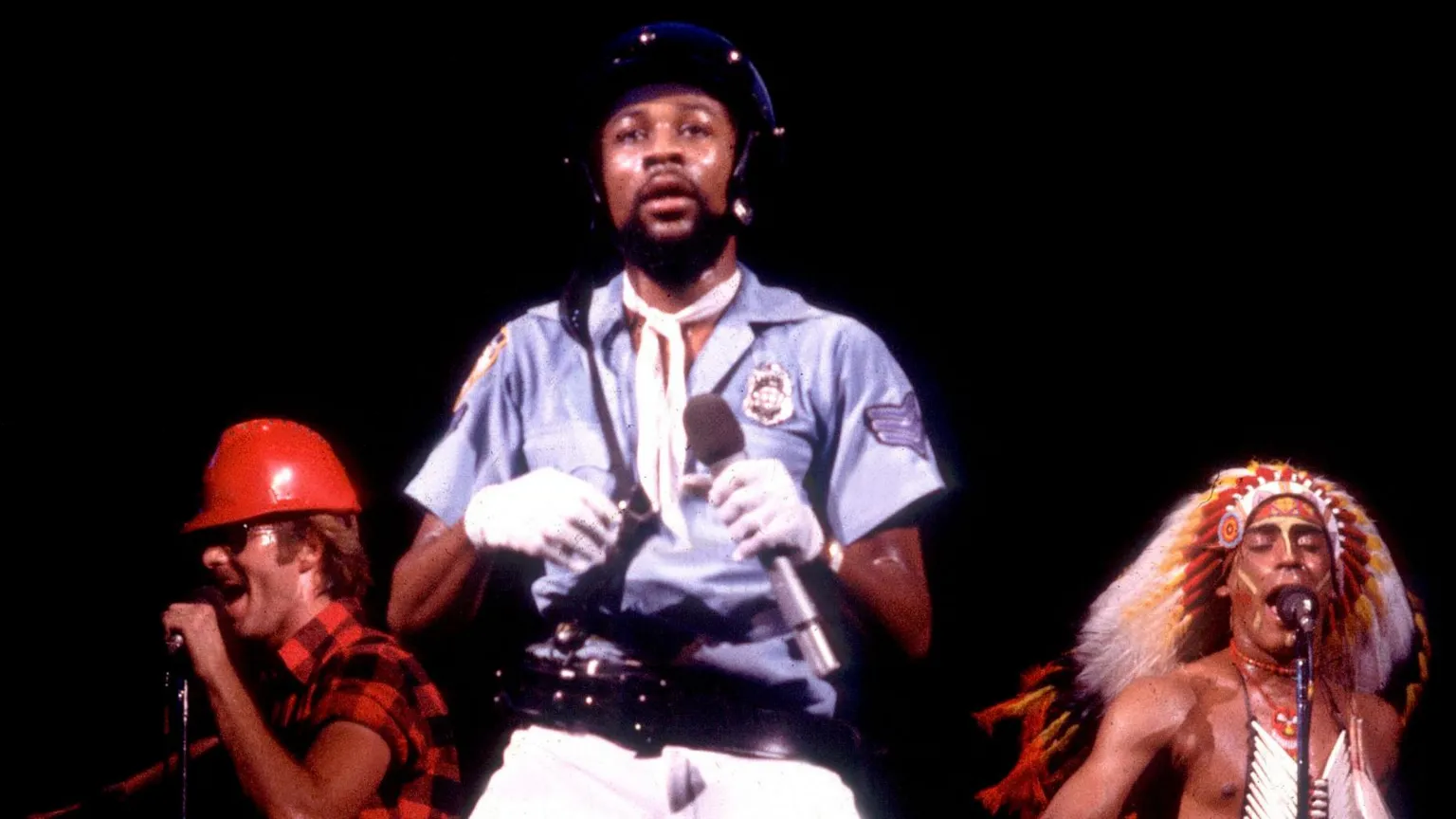
Not how I envisioned starting the new month, especially after reporting Clive Davis’s death. I am sad to say Victor Willis, the original lead singer of the Village People, has passed away, marking yet another significant loss in the landscape of popular music. Born in Dallas, Texas, in 1951, Willis became one of the defining voices of the disco era, helping shape a sound that still lives on decades later. Before rising to fame with the Village People, he also performed on Broadway, including in The Wiz. As a singer and songwriter, Willis helped create some of the group’s most enduring hits, including “Y.M.C.A.,” “Macho Man,” and “In the Navy.”
It feels like the end of an era in many ways, and perhaps that is what makes this moment so heavy. Artists like Willis leave behind more than songs; they leave behind memories, culture, and a soundtrack that becomes part of people’s lives. His legacy will remain tied to some of the most recognizable music of his time.
Photo source: https://www.bbc.com/news/articles/cddlnqy8zmqo
Monday, June 22, 2026
Clive Davis: The Visionary Who Helped Shape Modern Music
Few figures in the recording industry have left a footprint as deep or as lasting as Clive Davis. Across decades of shifting trends, collapsing genres, and evolving technology, he has remained a constant force behind some of the most defining voices in popular music.

Rather than simply responding to what was already popular, Davis built his reputation on anticipating what listeners would want next and, more often than not, being right.
Clive Davis’s rise through the industry began at Columbia Records, where he quickly became known for an unusual combination of creative intuition and business discipline. At a time when labels tended to play it safe, he leaned into artists who pushed boundaries.
That willingness to take risks helped usher in a wave of influential acts and helped reposition Columbia as a cultural powerhouse during a rapidly changing musical era.
Davis’s impact goes far beyond signing talent. His approach centered on long-term artistic development—shaping careers rather than chasing short-term hits.
One of his most defining successes came through his work with Whitney Houston, whose early career was carefully guided into a global phenomenon. Her voice became one of the most recognizable in music history, and much of that trajectory was shaped under his direction.
He also played a significant role in elevating artists like Alicia Keys, helping introduce her soulful, piano-driven sound to a mainstream audience hungry for authenticity in pop and R&B.
After founding Arista Records, Davis expanded his influence even further, creating a label that became synonymous with consistent, high-quality artistry across multiple genres. His ability to balance commercial success with artistic credibility made Arista one of the most respected labels of its time.
He also became known for treating the music industry as a long game—where careers could evolve over decades rather than peak and fade within a single album cycle.
Even as the industry transformed through digital streaming and independent distribution, Davis remained a visible and influential figure. His presence at major events, especially his pre-Grammy celebrations, became symbolic of continuity in an industry defined by constant change.
These gatherings reflected his enduring philosophy: that great music is timeless, and great artists deserve to be championed across generations.
Clive Davis’s legacy isn’t tied to one sound or era, it’s woven into the evolution of modern popular music itself. His career demonstrates how one executive’s vision can quietly shape the soundtrack of entire generations, not by chasing trends, but by recognizing talent before the world catches on.
Rather than simply responding to what was already popular, Davis built his reputation on anticipating what listeners would want next and, more often than not, being right.
Clive Davis’s rise through the industry began at Columbia Records, where he quickly became known for an unusual combination of creative intuition and business discipline. At a time when labels tended to play it safe, he leaned into artists who pushed boundaries.
That willingness to take risks helped usher in a wave of influential acts and helped reposition Columbia as a cultural powerhouse during a rapidly changing musical era.
Davis’s impact goes far beyond signing talent. His approach centered on long-term artistic development—shaping careers rather than chasing short-term hits.
One of his most defining successes came through his work with Whitney Houston, whose early career was carefully guided into a global phenomenon. Her voice became one of the most recognizable in music history, and much of that trajectory was shaped under his direction.
He also played a significant role in elevating artists like Alicia Keys, helping introduce her soulful, piano-driven sound to a mainstream audience hungry for authenticity in pop and R&B.
After founding Arista Records, Davis expanded his influence even further, creating a label that became synonymous with consistent, high-quality artistry across multiple genres. His ability to balance commercial success with artistic credibility made Arista one of the most respected labels of its time.
He also became known for treating the music industry as a long game—where careers could evolve over decades rather than peak and fade within a single album cycle.
Even as the industry transformed through digital streaming and independent distribution, Davis remained a visible and influential figure. His presence at major events, especially his pre-Grammy celebrations, became symbolic of continuity in an industry defined by constant change.
These gatherings reflected his enduring philosophy: that great music is timeless, and great artists deserve to be championed across generations.
Clive Davis’s legacy isn’t tied to one sound or era, it’s woven into the evolution of modern popular music itself. His career demonstrates how one executive’s vision can quietly shape the soundtrack of entire generations, not by chasing trends, but by recognizing talent before the world catches on.
Subscribe to:
Posts (Atom)


